Discover Dinh Cau Temple – Phu Quoc’s Spiritual Seaside Gem
09/05/2025Perched on a rocky cape where Duong Dong River meets the sea, Dinh Cau Temple is one of the easiest cultural stops to visit in central Phu Quoc.
Most travelers come here for three reasons:
- The sea-facing temple
- The sunset view
- And the short walk to Phu Quoc Night Market.
It is not a large attraction, but it offers one of the most local, atmospheric experiences on the island.
Dinh Cau Temple Phu Quoc – Overview
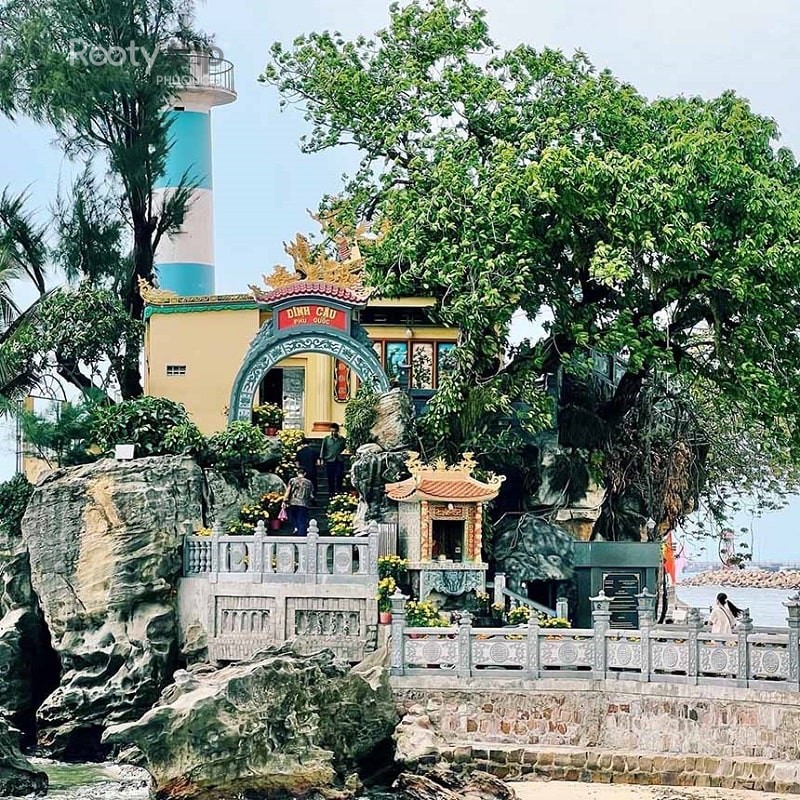
- Location: Central Duong Dong area, near Phu Quoc Night Market
- Opening Hours: 7:00 AM – 8:00 PM daily.
- Entry Fee: Free.
- Best for: Culture, sunset views, photography, short city stop
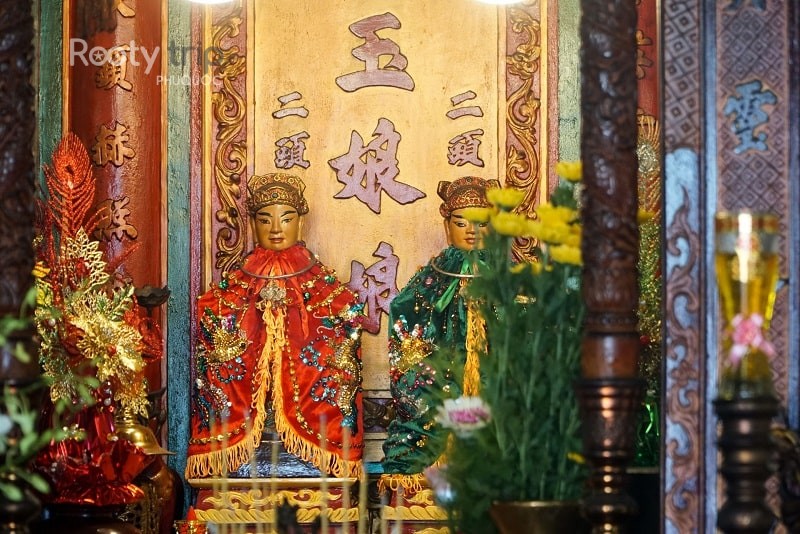
- Main worship figures: Chua Ngoc Nuong Nuong, Cau Tai and Cau Quy
- Nearby attractions: Phu Quoc Night Market, Dinh Ba Temple, Duong Dong Beach
Dinh Cau Temple Phu Quoc: What Most First-Time Visitors Miss
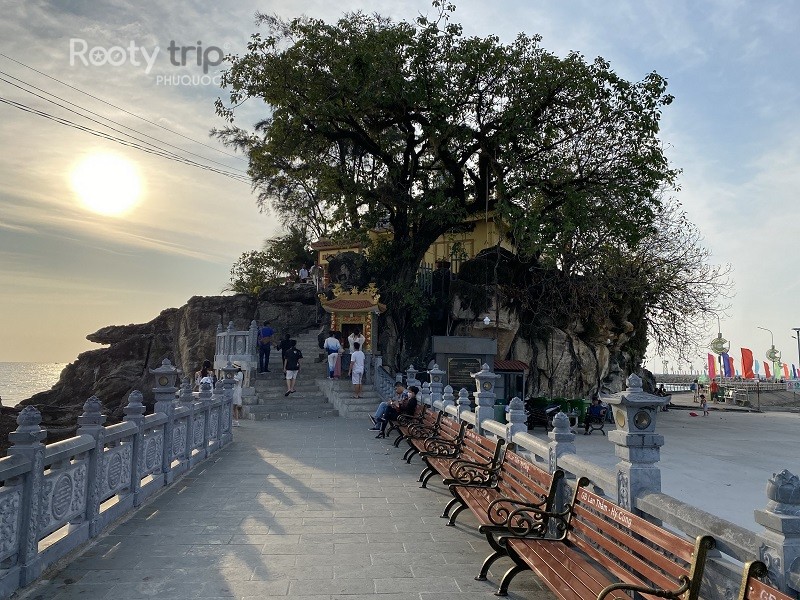
I have climbed Dinh Cau’s 29 steps more than forty times. The one thing most travel guides get wrong is timing.
They usually tell you to come at sunset. Sunset is beautiful, but mornings before 6:00 AM are better.
At 5:30 AM, the temple is almost empty. The lighthouse beam is still rotating. If the tide is low, the rock platform below is fully exposed and you can walk around the base.
By 6:15 AM, the first fishing boats return to Duong Dong harbor. From above, you can watch the night’s catch being unloaded.
By 7:00 AM, the first tour buses arrive — and the quiet moment is gone.
Sunset still has its charm:
- Best light: around 5:30–6:15 PM
- Best season: November to March
- Best for: postcard-style photos
- Trade-off: expect 100+ people sharing the same view
So the choice is simple: Morning for atmosphere. Sunset for color.
What Makes Dinh Cau Temple Special?
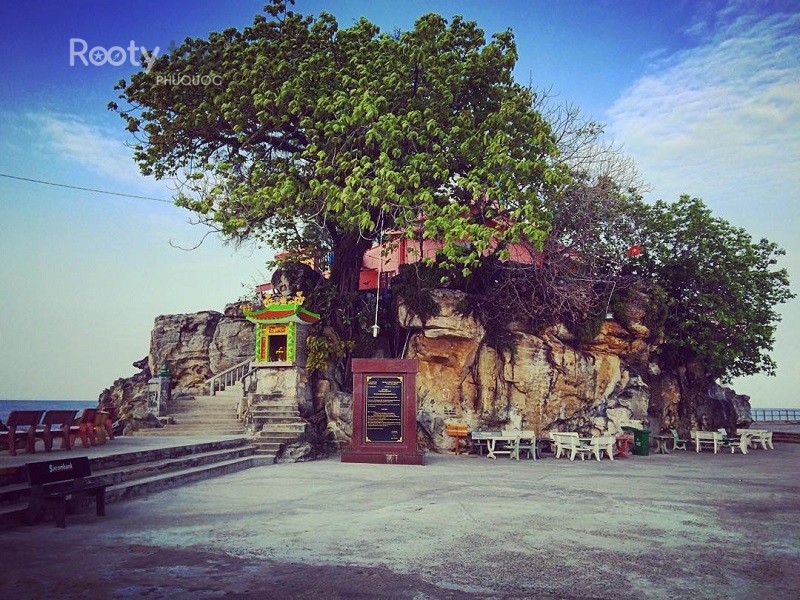
Dinh Cau Temple is a small but meaningful stop in central Duong Dong, known for its mix of culture, scenery and local faith.
What makes it worth visiting:
- Seaside location: The temple sits on a rocky cape overlooking the sea.
- Iconic view: Red-tiled roofs, stone steps and ocean backdrop make it one of Duong Dong’s most recognizable sights.
- Local spiritual value: Fishermen come here to pray for safe journeys, good weather and abundant catches.
- Easy sunset stop: Visitors can explore the temple, take photos and watch the sunset without traveling far from town.
The 17th-Century Legend: Cau Tai & Cau Quy
Dating back to the 17th century, Dinh Cau is one of the oldest relics on the island. Its story is woven with mystery: The Legend of Cau Tai and Cau Quy
In the early days of island settlement, many fishermen never returned from the sea. Legend has it that a mystical rock emerged at the mouth of the river and two young boys appeared in the villagers’ dreams, guiding them to build a shrine.
The people began worshipping Cau Tai and Cau Quy. Since then, it is said that storms calmed and the nets were always full. In 2012, the temple was officially recognized as a provincial-level historical and cultural relic.
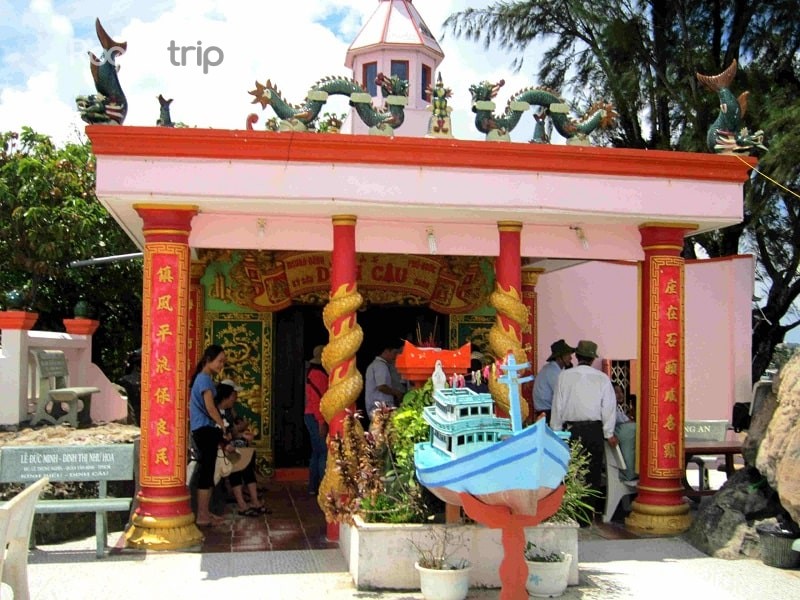
Today, three deities are worshipped here:
- Chua Ngoc Nuong Nuong: the sea goddess, with roots in coastal Chinese tradition
- Cau Tai: local guardian spirit
- Cau Quy: local guardian spirit
A 30-Second Guide to Dinh Cau Architecture
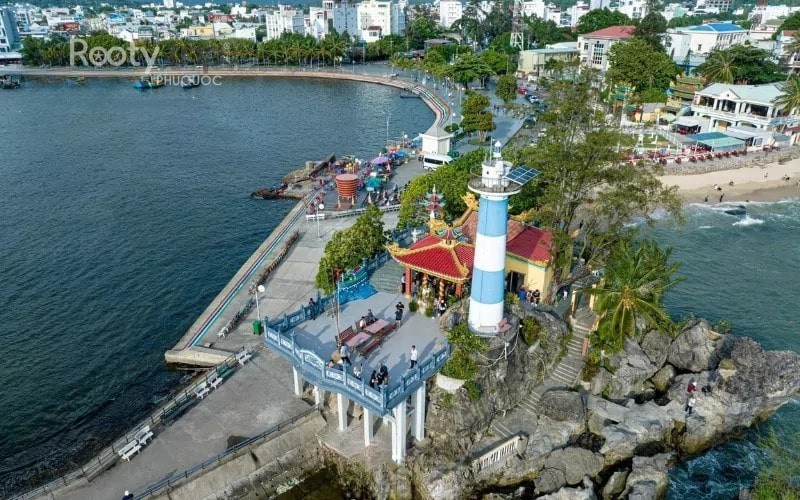
The architecture of Dinh Cau is a fascinating fusion of Vietnamese and Chinese styles, reflecting the diverse heritage of Phu Quoc’s early inhabitants.
- 29 stone steps from street level, hand-cut along the natural granite
- Yin-yang tiled roof with bird-beak curved corners, typical of Southern Vietnamese architecture
- Dragon-and-phoenix ridge carvings on the main roof
- Working lighthouse next door, with a separate path and around 5 km nominal range
- Granite outcrop rising roughly 10 meters above sea level
Dinh Cau Festival: The Cultural Soul of the Pearl Island
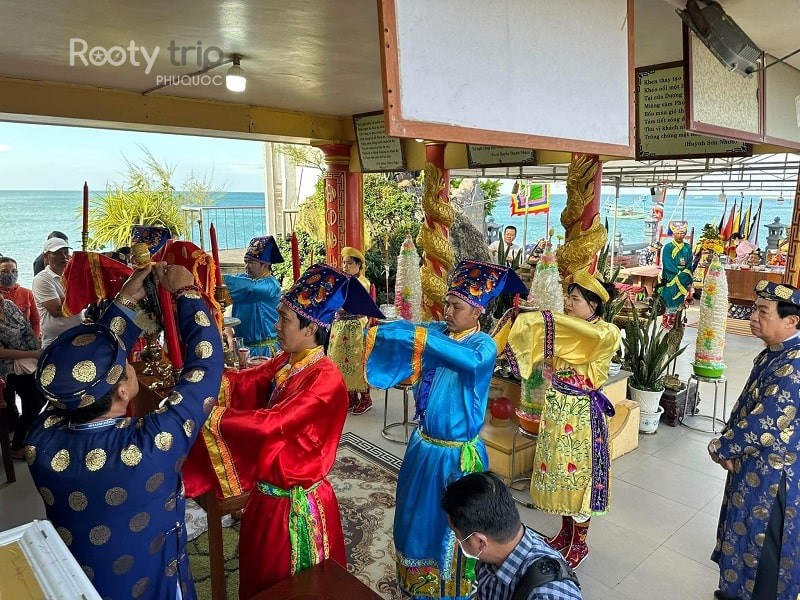
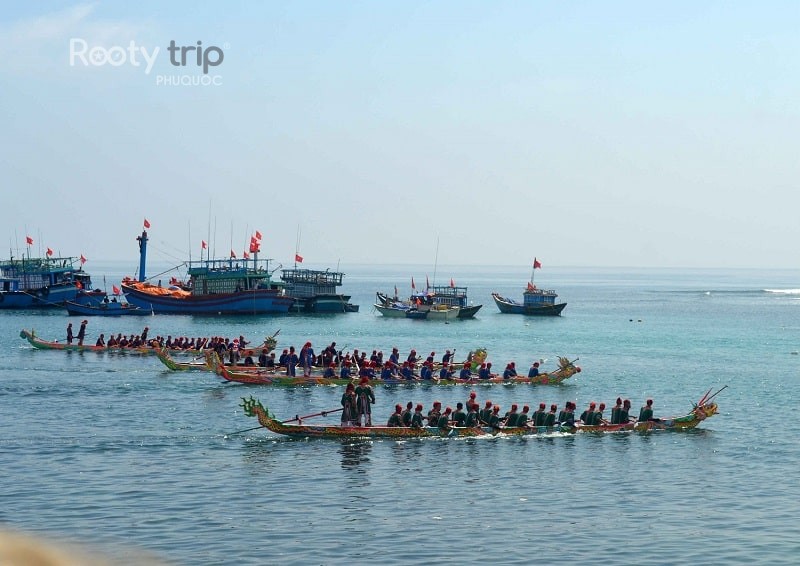
If you want to see Dinh Cau at its most vibrant, visit during the Dinh Cau Festival, held annually on the 15th and 16th days of the 10th lunar month.
- Day 1 (Morning): Formal worship, including processions, incense offerings, and ceremonial texts.
- Day 1 (Afternoon): Competitive boat racing involving teams from local fishing communes on the Duong Dong River.
- Day 1 (Evening): Traditional lion dancing and water puppetry on the temple grounds.
- Day 2 (Evening): Hat Boi (Classical Vietnamese Opera) performances lasting late into the night.
This remains a community-focused event rather than a staged tourist show, offering an authentic look at Southern Vietnamese folk traditions.
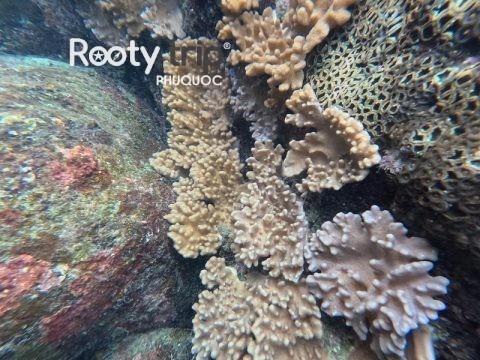
Looking for an adventure? Join a Phu Quoc snorkeling tour and dive into the island’s most beautiful marine spots.
What to Wear Before Entering the Shrine
Dinh Cau has an informal dress code. There is no strict ticket-gate check, but the caretaker may politely ask you to step out if you are underdressed.
Sarongs are not provided, so dress properly before you arrive.
Allowed:
- Sleeved T-shirts
- Long pants
- Knee-length skirts
- Knee-length dresses
- Sandals
A simple rule: Cover shoulders and knees if you want to enter the inner shrine.
Traveler’s Guide: Tips for a Respectful Visit
- Wear modest clothing.
- Keep your voice low inside the temple.
- Do not touch altars, statues or offerings.
- Burn incense only in designated areas.
- Avoid taking photos directly at the altar without permission.
- Do not litter around the temple or rocky area.
Nearby attractions near Dinh Cau
Phu Quoc Night Market
Just a few minutes’ walk from Dinh Cau, this bustling market is perfect for sampling fresh seafood and shopping for local specialties like pepper, sim wine, pearls, and souvenirs.
Dinh Ba Temple
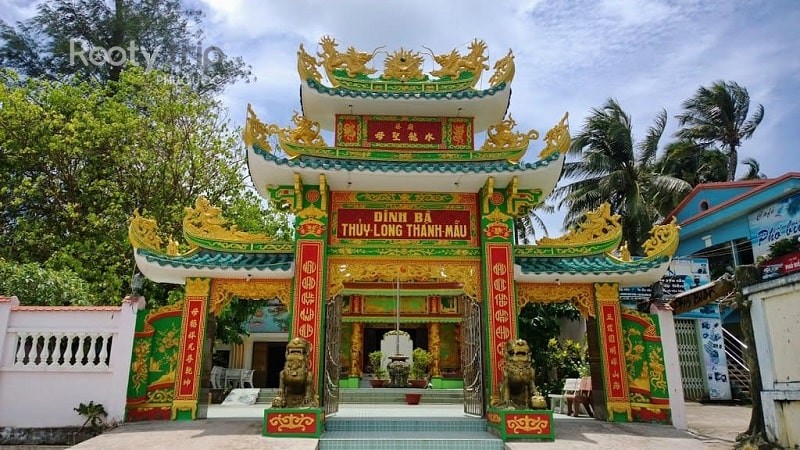
Close to Dinh Cau is Dinh Ba Thuy Long Thanh Mau, a temple linked to the legend of the island’s founding mother. It’s another significant spiritual site that attracts both locals and tourists.
Duong Dong Beach and Seafood Stalls
After visiting Dinh Cau, relax on the nearby Duong Dong Beach, known for its soft sand and scenic sunset views. Numerous seafood eateries nearby offer local delicacies like grilled sea urchin, pickled herring salad, and steamed crab.
Final Thoughts
Dinh Cau Temple Phu Quoc is a small but meaningful stop in Duong Dong. It gives visitors a closer look at the island’s spiritual life, fishing culture and coastal scenery.
If you only have one evening in central Phu Quoc, visit Dinh Cau before sunset, then continue to Phu Quoc Night Market for dinner. It is a simple route, but it shows a more local and cultural side of the island beyond beaches and resorts
FAQ About Dinh Cau Temple
Is Dinh Cau Temple free to enter? Yes. Entry is completely free.
How long should I spend there? 30 to 45 minutes is sufficient to explore the temple and the lighthouse.
When is the best time to visit? Before 6:00 AM for tranquility or 5:30 PM for sunset.
Can I take photos inside? Photos are allowed in the courtyard and on the stairs. Photography of the inner altar is discouraged.
Is it accessible for older visitors? The 29 steps are uneven but have handrails. There is no wheelchair access.
Is it worth visiting during the rainy season? Yes, but go in the morning. Storms often arrive in the late afternoon, making the rocks slippery.
Is there parking? Yes. Free public parking is available along Bach Dang Street at the foot of the temple.
Rooty Trip
- Address: 191 Tran Hung Dao Street, Cua Lap Ward, Phu Quoc Special Zone, An Giang Province
- Phone: 0936 828 328
- Email: ota.rootytrip@gmail.com
- Website: https://rootytrip.vn/